https://educationandpersonaldevelopment.blogspot.com/ Education and Personal Development

The Power of Sobriety: How Clarity and mindfulness Can Transfigure Your Daily Life


The Power of Sobriety:  How Clarity and mindfulness Can Transfigure Your Daily Life

·          

· Preface Sobriety is frequently associated with recovery from dependence, but its benefits extend far beyond that. Sobriety is a state of clarity, mindfulness, and awareness that can transfigure your diurnal life in profound ways. In this blog, we'll explore the conception of sobriety, its benefits, and practical tips on how to cultivate it.

·          

·         What's Sobriety?

·          

·    Sobriety is a state of being free from the influence of substances or addicting actions. It's a state of clarity, mindfulness, and awareness that allows you to live life with intention and purpose. Sobriety isn't just about abstaining from substances, but about cultivating a deeper understanding of yourself and the world around you.


·          


·          

·         Benefits of Sobriety

  ·             1. Bettered Mental Clarity: Sobriety allows you to suppose easily and make opinions with perfection and purpose.


·          

·        2. Enhanced Emotional Intelligence: Sobriety helps you understand and manage your feelings, leading to better connections and decision- timber.


·          ·          

·                        3. Increased Productivity: Sobriety gives you the energy and provocation to attack tasks with focus and enthusiasm.

·          

·          ·           4. Better Physical Health: Sobriety leads to healthier habits and a stronger vulnerable system.

·          

·                       5. Deeper Connections: Sobriety allows you to form meaningful connections with others, erected on trust, empathy, and understanding.


·          

·         Cultivating Sobriety

·          

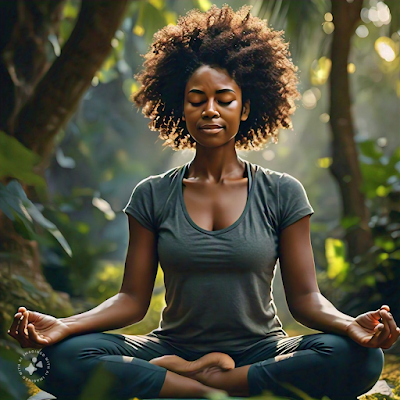
·         1. Mindfulness Practices: Regular contemplation, yoga, or journaling can help you stay present and focused.

·          

·          ·                   2. Self-Care: Prioritize conditioning that nourish your mind, body, and soul.


·          

·                                 3. Set Boundaries: Learn to say" no" to effects that drain your energy and say" yes" to those that hoist you.

·          

·                        4. Seek Support: compass yourself with people who support and encourage your growth.

·          

·             5. Embrace Challenges: View challenges as openings for growth and literacy.


          ·          

· Conclusion

·          

Sobriety is an important state that can transfigure your diurnal life in profound ways. By cultivating clarity, mindfulness, and awareness, you can live a life with purpose, intention, and fulfillment. Flash back, sobriety is a trip, not a destination. Take the first step towards a more aware, compassionate, and purpose- driven life.

More
is like a dark cloud that 

"Mental Health and Well-being":


 Mental Health and Well-being: Prioritizing Holistic Self-Care

In today's fast-paced, high-pressure world, it's more important than ever to prioritize our mental health and overall well-being. While physical health is often the focus of mainstream wellness conversations, the state of our mental and emotional well-being plays a crucial role in our ability to navigate life's challenges, maintain fulfilling relationships, and thrive in all areas of our lives.


The Importance of Mental Health

Mental health encompasses our psychological, emotional, and social well-being. It affects how we think, feel, and behave, as well as how we handle stress, relate to others, and make choices. When our mental health is in a good state, we are better equipped to cope with the ups and downs of daily life, find meaning and purpose, and live with a sense of contentment and resilience.


On the other hand, poor mental health can manifest in a variety of ways, including depression, anxiety, mood disorders, and even physical health issues. Mental health challenges can make it difficult to perform daily tasks, maintain healthy relationships, and find enjoyment in life. In severe cases, they can even lead to thoughts of self-harm or suicide.


Understanding the Holistic Nature of Well-being

Well-being is a multifaceted concept that goes beyond just mental health. It encompasses our physical, emotional, social, and even spiritual needs. When we neglect one or more of these areas, it can have a detrimental impact on our overall well-being and quality of life.


For example, a sedentary lifestyle and poor nutrition can contribute to physical health problems, which in turn may lead to feelings of low self-esteem, depression, and a lack of energy. Similarly, chronic stress or a lack of meaningful social connections can take a toll on our emotional and psychological well-being.


Achieving Holistic Self-Care

Recognizing the interconnected nature of our well-being is the first step in developing a holistic self-care practice. This means addressing our mental, physical, emotional, and social needs in a balanced and intentional way. Here are some strategies to consider:


Prioritize mental health: Seek professional help if you're struggling with mental health challenges, such as depression or anxiety. Engage in activities that promote mental well-being, such as mindfulness meditation, journaling, or therapy.


Maintain physical health: Prioritize a balanced diet, regular exercise, and adequate sleep. These habits can have a significant impact on our mental and emotional well-being.


Foster social connections: Nurture your relationships with family, friends, and communities that bring you a sense of belonging and support. Engage in activities that allow you to connect with others, such as volunteering or joining a club or group.


Cultivate emotional intelligence: Practice self-awareness, emotional regulation, and empathy. Learn to identify and express your feelings in healthy ways, and develop strategies for coping with difficult emotions.


Explore spiritual practices: Whether it's through religion, meditation, or simply spending time in nature, incorporating spiritual elements into your life can provide a sense of meaning, purpose, and inner peace.


Remember, self-care is not a one-size-fits-all approach. What works for one person may not work for another. Experiment with different practices and find what resonates with you, and be willing to adjust your routines as your needs change over time.


Embracing a Holistic Approach to Well-being

By adopting a holistic approach to well-being, we can develop a deeper understanding of our needs and the interconnected nature of our physical, mental, emotional, and social health. This, in turn, can lead to a greater sense of fulfillment, resilience, and overall life satisfaction.


Remember, your well-being is a journey, not a destination. It's important to be patient, compassionate, and willing to adapt as you navigate the ups and downs of life. With dedication and a commitment to self-care, you can cultivate a life of greater balance, joy, and purpose.


More


The Benefits of Lifelong Learning: Never Stop Growing


The Benefits of Lifelong Learning: Never Stop Growing

In 2023, the importance of continuous education and personal development has never been clearer. The concept of lifelong learning, once seen as optional, is now considered essential for personal and professional growth. Embracing lifelong learning offers numerous benefits that extend beyond the classroom, impacting all areas of life. Let's explore the benefits of lifelong learning: never stop growing.


Enhancing Career Opportunities

One of the most compelling benefits of lifelong learning is its impact on career opportunities. In a rapidly changing job market, the skills required today may become obsolete tomorrow. By committing to lifelong learning, individuals can stay ahead of industry trends and adapt to new technologies. This continuous learning not only makes employees more valuable to their current employers but also opens doors to new career opportunities. For instance, mastering new software, gaining certifications, or learning a new language can significantly enhance employability. The benefits of lifelong learning: never stop growing in a career context are clear – it leads to increased job security, potential for promotions, and the ability to pivot to new roles when necessary.


Personal Development and Fulfilment

Beyond professional advantages, lifelong learning plays a crucial role in personal development and fulfilment. Engaging in continuous education allows individuals to explore new interests, develop hobbies, and pursue passions. Whether it’s learning to play a musical instrument, mastering a new recipe, or understanding a complex scientific concept, the benefits of lifelong learning: never stop growing on a personal level. This constant pursuit of knowledge and skills contributes to a richer, more fulfilling life, providing a sense of accomplishment and satisfaction that comes from mastering new challenges.


Cognitive Health and Mental Agility

Another significant benefit of lifelong learning is its impact on cognitive health and mental agility. Studies have shown that engaging in continuous learning helps keep the brain active and can delay the onset of age-related cognitive decline. The process of learning stimulates neural pathways, encouraging the brain to stay flexible and adaptable. Whether it's through formal education, reading, puzzles, or acquiring new skills, the benefits of lifelong learning: never stop growing in maintaining mental sharpness and cognitive health are profound. This mental agility is crucial not only for personal wellbeing but also for maintaining independence and quality of life as one ages.


Social Connections and Community Engagement

Lifelong learning also fosters social connections and community engagement. Participating in classes, workshops, or discussion groups provides opportunities to meet like-minded individuals and form meaningful relationships. The benefits of lifelong learning: never stop growing in a social context, as it encourages interaction, collaboration, and networking. These social bonds are essential for emotional health and can lead to lasting friendships and professional networks. Moreover, community-based learning initiatives often lead to greater community involvement and a sense of belonging, as individuals contribute their knowledge and skills to local projects and initiatives.


Adaptability and Resilience

In today’s fast-paced world, adaptability and resilience are crucial traits. Lifelong learning cultivates these qualities by constantly exposing individuals to new information and challenges. The benefits of lifelong learning: never stop growing in fostering resilience, as learners become more comfortable with change and uncertainty. This adaptability is particularly valuable in times of crisis or rapid change, allowing individuals to pivot and adjust their strategies effectively. Whether it’s adapting to new technology at work, learning new ways to communicate, or finding innovative solutions to problems, lifelong learners are better equipped to navigate the complexities of modern life.


Economic Benefits

The economic benefits of lifelong learning: never stop growing are also significant. At a macro level, a well-educated population is more productive and innovative, driving economic growth and competitiveness. For individuals, continuous learning can lead to higher earning potential. Advanced skills and knowledge often translate into better job opportunities and higher salaries. Additionally, lifelong learning can lead to entrepreneurial ventures, as individuals apply their knowledge and skills to start new businesses or improve existing ones. The economic benefits of investing in lifelong education are clear, contributing to personal financial stability and broader economic prosperity.


Improved Self-Esteem and Confidence

Engaging in lifelong learning also boosts self-esteem and confidence. Achieving new skills and knowledge provides a sense of accomplishment and reinforces a positive self-image. The benefits of lifelong learning: never stop growing in this regard, as it continually reinforces an individual’s belief in their abilities. This increased confidence can spill over into other areas of life, improving interpersonal relationships, enhancing performance at work, and encouraging the pursuit of further personal goals. The process of setting and achieving learning goals builds resilience and a growth mindset, essential for overcoming challenges and setbacks.


Innovation and Creativity

Lifelong learning stimulates innovation and creativity. By exposing oneself to diverse fields of knowledge and different perspectives, new ideas and creative solutions often emerge. The benefits of lifelong learning: never stop growing in fostering creativity, as it encourages thinking outside the box and experimenting with novel approaches. This creativity is valuable not only in artistic endeavours but also in problem-solving and innovation across various industries. Whether it's developing a new product, finding a more efficient way to perform a task, or generating original content, continuous learning fuels the creative process.


Lifelong Learning in the Digital Age

The digital age has made lifelong learning more accessible than ever before. Online courses, webinars, and virtual workshops allow individuals to learn at their own pace and convenience. The benefits of lifelong learning: never stop growing with the advent of digital resources, as they break down barriers to education and make learning more flexible and inclusive. Digital platforms offer a wealth of information and opportunities for self-directed learning, catering to diverse interests and learning styles. This accessibility ensures that everyone, regardless of their circumstances, has the opportunity to engage in lifelong learning and reap its benefits.


Conclusion

In conclusion, the benefits of lifelong learning: never stop growing are manifold and far-reaching. From enhancing career opportunities and personal development to maintaining cognitive health and fostering social connections, lifelong learning enriches every aspect of life. It promotes adaptability, resilience, economic prosperity, self-esteem, and creativity, ensuring that individuals remain engaged, informed, and capable in an ever-changing world. Embracing lifelong learning is not just a personal choice but a necessity in 2023 and beyond. By committing to continuous education, we ensure that we never stop growing, continually evolving to meet the challenges and opportunities of the future.

More


Children and Young People Need Access to Books About the Present


Children and Young People Need Access to Books About the Present

 In a world of rapid change, it’s more important than ever that children and young people have access to books that reflect the present. These books can offer a window into the contemporary world, helping young readers make sense of their surroundings, understand diverse experiences, and develop critical thinking skills.


Understanding the World Around Them

 Books about the present provide children with the tools they need to understand the world they live in. From stories that tackle current social issues to tales set in the bustling cities of today, these books mirror the environment kids navigate daily. When children see their own lives reflected in stories, they feel seen and validated. It reassures them that their experiences, no matter how unique or common, are significant.

 Take, for example, books addressing climate change. A child growing up in today’s world is constantly exposed to discussions about the environment, from news reports to school projects. A book like "Greta and the Giants" by Zoë Tucker, inspired by Greta Thunberg’s activism, can help children grasp complex environmental issues in a relatable way. It’s not just about understanding the facts but also about feeling empowered to take action.


Promoting Diversity and Inclusion

 Books that reflect the present are also crucial in promoting diversity and inclusion. The world is a rich tapestry of cultures, identities, and experiences, and it’s vital for children to see this diversity in the stories they read. When children encounter characters from different backgrounds, it broadens their understanding and fosters empathy.

 Consider the impact of a book like "The Proudest Blue" by Ibtihaj Muhammad and S.K. Ali, which tells the story of a young Muslim girl wearing her hijab for the first time. For children who wear a hijab, it’s a powerful affirmation of their identity. For those who don’t, it’s an opportunity to learn about and respect different cultural practices.


Encouraging Critical Thinking

 Books about the present encourage children to think critically about the world. They often tackle themes of justice, equality, and morality, prompting young readers to question and reflect on their beliefs and values. This critical engagement is essential for developing informed, thoughtful citizens.

 Books like Angie Thomas’s "The Hate U Give," though aimed at slightly older readers, are perfect examples. This novel, which addresses police brutality and systemic racism, challenges young people to think deeply about societal issues. It’s a call to awareness and activism, showing that literature can be a powerful catalyst for change.


Bridging the Generation Gap

 Access to books about the present also helps bridge the generation gap. It provides a common ground for children and adults to discuss contemporary issues. When parents and teachers share these stories with young people, it opens up avenues for dialogue and mutual understanding.

 Books can be a bridge between the digital and the analogue worlds as well. In an era where digital media often dominates, printed books provide a tactile, immersive experience that can complement the fast-paced nature of online information. They offer a moment of stillness and reflection, allowing children to digest and contemplate complex ideas at their own pace.


Building a Lifelong Love for Reading

 Finally, books that resonate with the present can foster a lifelong love for reading. When children find stories that speak to their current experiences and interests, they’re more likely to develop a passion for literature. This love for reading not only enhances their academic performance but also enriches their personal lives.

 The publishing industry has made strides in producing books that reflect the contemporary world, but there’s always room for more. Authors, publishers, and educators must continue to champion stories that reflect today’s realities, ensuring that all children have access to literature that speaks to their lives.


Conclusion

 In conclusion, books about the present are more than just stories. They are essential tools for understanding the world, promoting diversity, encouraging critical thinking, bridging generational divides, and fostering a lifelong love for reading. By ensuring that children and young people have access to these books, we are not only enriching their minds but also empowering them to navigate and shape the future.

More

The Web of Co-Dependency: Understanding and Breaking Free from Unhealthy Relationships


The Web of Co-Dependency: Understanding and Breaking Free from Unhealthy Relationships


Introduction

 Co-dependent relationships are a common yet harmful pattern of behavior that can affect anyone, regardless of age, gender, or background. These relationships can be romantic, familial, or friendly, but they share a common thread - an unhealthy dependence on each other that can lead to emotional, mental, and even physical distress. In this blog, we'll delve into the world of co-dependency, its signs, symptoms, and most importantly, ways to break free from its grasp.


What is Co-Dependency?

.Co-dependency is a relationship dynamic where one or both parties rely heavily on each other for emotional validation, self-worth, and a sense of purpose. This excessive reliance can lead to an unhealthy attachment, causing individuals to lose their sense of identity, autonomy, and personal boundaries


Signs of Co-Dependency

 1. Enabling behaviors: Constantly making excuses, covering up, or fixing problems for the other person.

2. People-pleasing: Going out of your way to satisfy the other person's needs, even if it means sacrificing your own.

3. Lack of boundaries: Allowing others to dictate your decisions, emotions, and actions.

4. Fear of abandonment: Overwhelming anxiety or fear of being abandoned or rejected.

5. Low self-esteem: Deriving self-worth solely from the relationship.

6. Control and manipulation: Using guilt, anger, or self-pity to control the other person.

7. Denial: Refusing to acknowledge the harmful patterns in the relationship.


The Consequences of Co-Dependency

 Co-dependent relationships can lead to:

 1. Emotional exhaustion

2. Loss of personal identity

3. Increased stress and anxiety

4. Physical health problems

5. Strained relationships with others


Breaking Free from Co-Dependency

 1. Self-reflection: Identify your own co-dependent tendencies and patterns.

2. Seek professional help: Consult a therapist or counselor.

3. Set boundaries: Establish clear limits and communicate them assertively.

4. Practice self-care: Engage in activities that nourish your mind, body, and soul.

5. Develop emotional intelligence: Learn to recognize, understand, and manage your emotions.


Conclusion

 Co-dependent relationships can be challenging to recognize and even harder to escape. However, by understanding the signs, symptoms, and consequences of co-dependency, you can take the first step towards breaking free. Remember, healthy relationships are built on mutual respect, trust, and open communication. Embrace your journey towards emotional freedom and empower yourself to create a more balanced, fulfilling life.


Mental Health Is Health: Why Your Mind Deserves the Same Care as Your Body

Mental Health Is Health: Why Your Mind Deserves the Same Care as Your Body Introduction For many years, conversations about health have ...